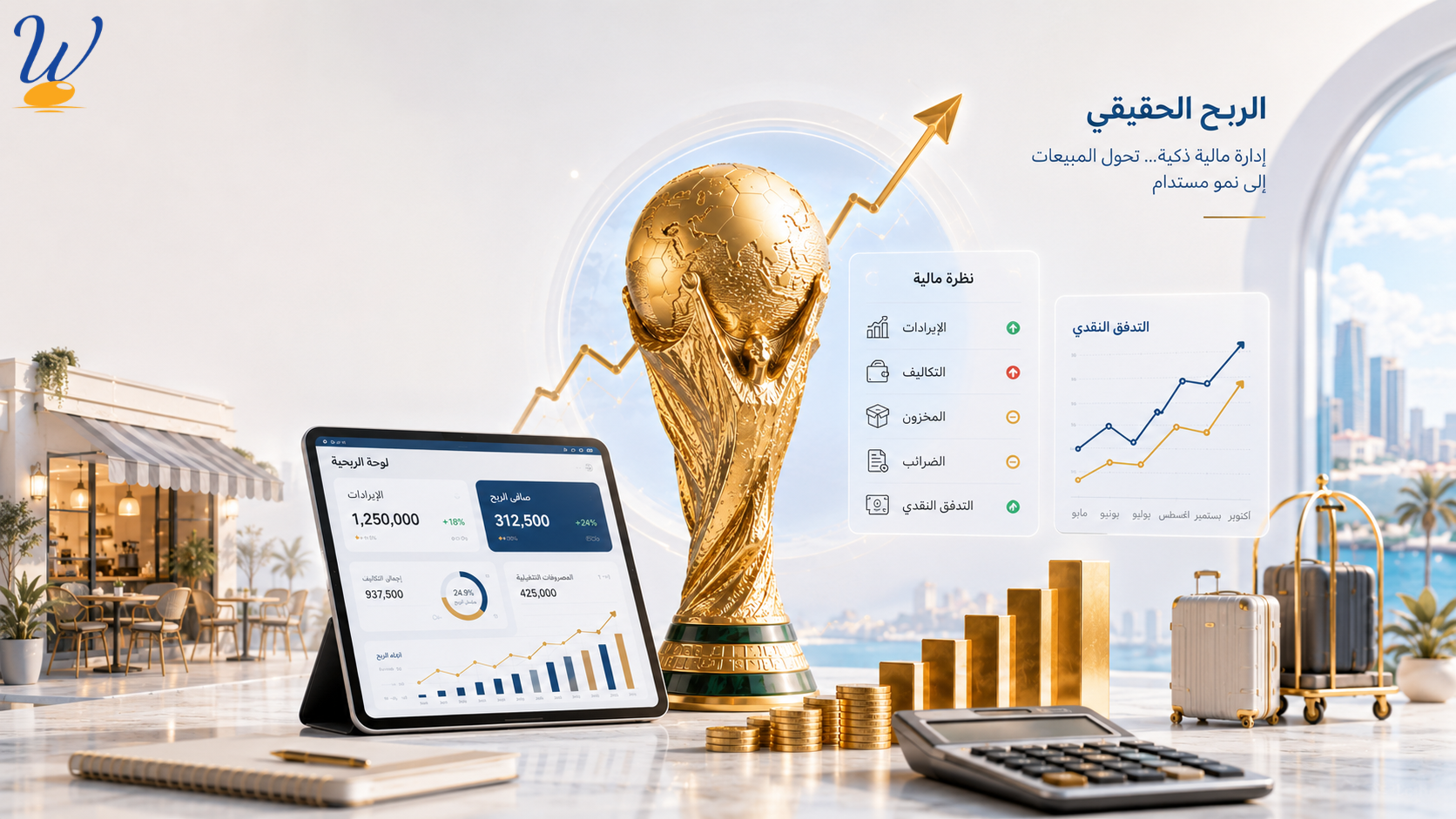
The World Cup Economy: Behind the Matches, an Entire Economy Is in Motion
With the start of the World Cup, all eyes turn to the stadiums, the national teams, the stars, and the results. Fans are watching to see who will win, who will advance, and who will create an unforgettable, historic moment.
Behind this sporting spectacle, a massive economic cycle is in motion. Broadcasting rights are sold, ads are booked, sponsorship deals are signed, tickets are purchased, hotels fill up, restaurants welcome larger crowds, and tech companies manage the fan experience from booking through payment to stadium entry.
The numbers clearly reveal the scale of this economy. During the 2019–2022 cycle, FIFA generated revenue of $7.568 billion, of which $6.314 billion came from rights related to the 2022 FIFA World Cup Qatar, accounting for 83% of the cycle’s total revenue.
During the 2022 FIFA World Cup Qatar, more than 3.18 million tickets were sold, over 3.4 million fans attended matches in person, and approximately 5 billion people engaged with tournament content across various channels and platforms.
This raises the most important economic question:
Who actually profits from the World Cup?
The answer isn’t limited to a single entity. There is a broad network of beneficiaries, ranging from FIFA to broadcasters, sponsors, hotels, airlines, restaurants, tech companies, players, clubs, and small businesses.
The size of the profits varies depending on each party’s position within this ecosystem. Some own the rights, some sell the experience, some benefit from the influx of fans, and some convert global attention into long-term commercial returns.
FIFA: Whoever Owns the Rights Gets the Lion’s Share of the Profits
FIFA is at the top of the list of World Cup profit-makers because it owns the core product: the tournament itself.
The commercial value of the World Cup does not come from the matches alone, but from the rights surrounding them. FIFA generates its revenue from television broadcasting rights, marketing, sponsorship, commercial licensing, hospitality, and ticket sales.
During the 2019–2022 cycle, FIFA’s revenue reached $7.568 billion. The 2022 World Cup in Qatar was the largest source of this revenue, with rights related to the tournament generating $6.314 billion—equivalent to 83% of the cycle’s total revenue.
These figures illustrate why the World Cup is considered one of the most valuable sports products in terms of commercial value. FIFA profits not only from stadium attendance but also from every commercial segment surrounding the tournament: broadcasting, sponsorship, marketing, licensing, hospitality, and ticketing.
In Qatar 2022 alone, revenue from tickets and hospitality reached $929 million, of which $686 million came from the sale of more than 3.18 million tickets.
With the 2026 edition, featuring 48 teams and 104 matches, the tournament’s commercial scale has grown even larger. More matches mean more content for broadcast, additional advertising space, more tickets, broader hospitality opportunities, and a longer fan experience.
Every match brings with it new economic value: advertising, viewership, tickets, hotel reservations, restaurant meals, digital payments, or digital engagement on a platform.
Therefore, when it comes to direct monetary profit, FIFA remains the top earner, as it controls the tournament’s core commercial rights.
Broadcasters: The Match Becomes Content Sold Multiple Times
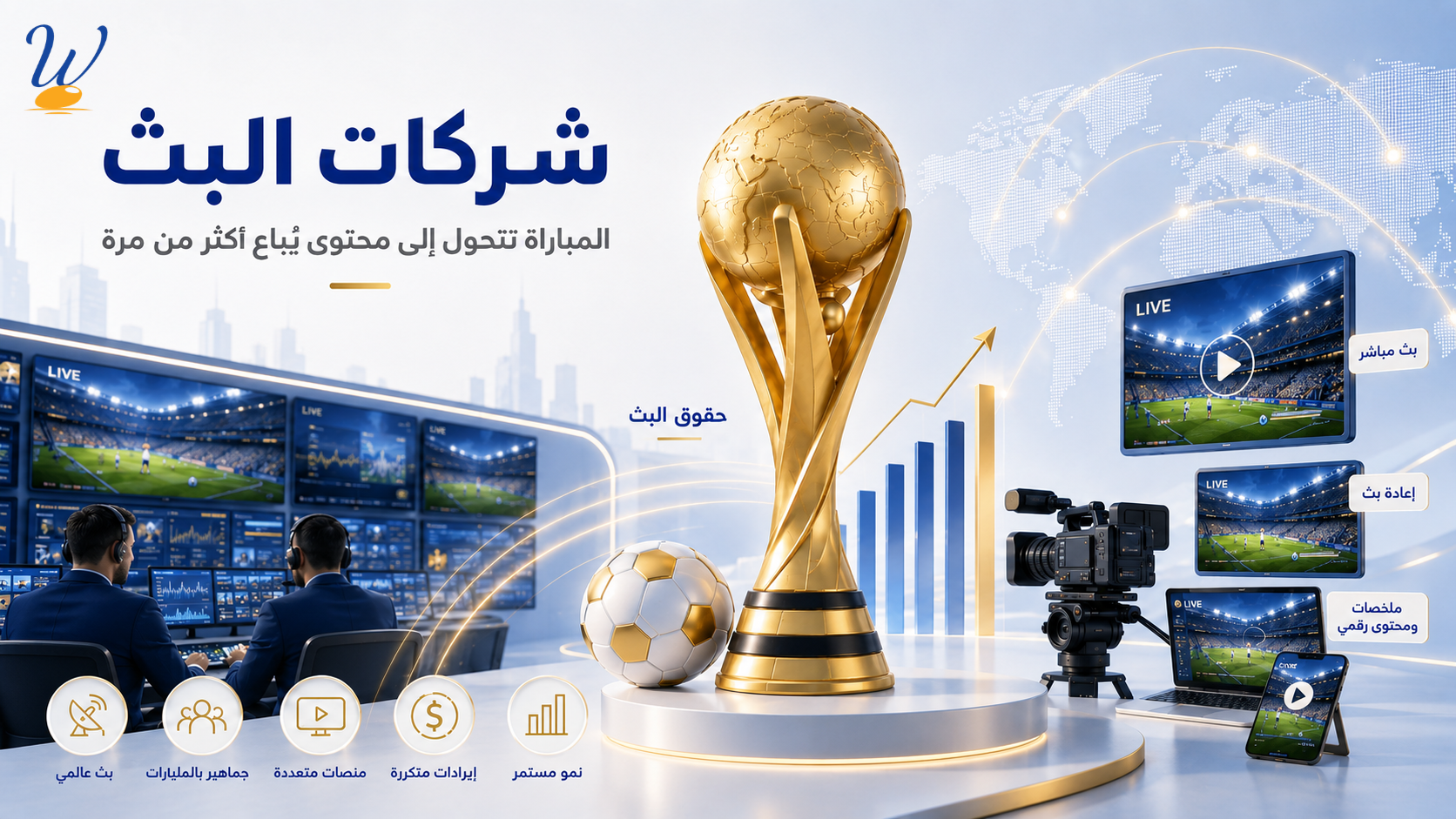
Broadcasters, TV networks, and digital platforms are among the biggest beneficiaries of the World Cup.
The reason is simple: the tournament brings together an audience
Global Sponsors: A Presence Amid a Rare Emotional Moment
Sponsoring companies don’t pay huge sums just to have their logo displayed. The greatest value comes from connecting with emotions that are difficult to evoke under normal circumstances.
The World Cup brings together excitement, a sense of belonging, national pride, moments of victory, the disappointment of defeat, and shared memories. When a brand appears within this context, it secures a place within an emotional experience shared by millions of people.
For the 2022 FIFA World Cup Qatar, the tournament had 32 commercial partners and sponsors, including global partners, official sponsors, and regional supporters. Commercial entities associated with the tournament also carried out hundreds of marketing programs around the world.
This exposure gives companies the opportunity to boost brand awareness, build trust, launch seasonal campaigns, increase sales, and enter new markets.
Some companies measure the return on sponsorship in terms of immediate sales. Other companies look at the broader impact: How will fans remember the brand? Has it become more visible? Has it been associated with a positive image? Has it strengthened its position among a global audience?
That is why World Cup sponsorship becomes an investment in brand image and market position, rather than just a temporary campaign.
When a country or city hosts World Cup matches, economic activity quickly picks up in the tourism and hospitality sectors.
The World Cup’s impact on tourism is clearly reflected in the numbers. In Qatar 2022, more than 3.4 million fans attended matches in the stadiums, over one million visitors traveled to Qatar to watch the tournament, and the Fan Festival in Doha welcomed more than 1.8 million visitors.
This activity isn’t confined to the stadiums alone. Visitors need hotels, flights, restaurants, cafes, transportation, shops, events, and everyday services. As a result, the tournament becomes a massive peak season for hotels, restaurants, airlines, transportation companies, and retailers.
Hotels benefit from increased demand and higher occupancy rates. Airlines benefit from the surge in travel. Restaurants and cafes welcome a larger number of customers. Transportation companies and ride-hailing apps experience higher demand and greater opportunities. Stores near stadiums and fan zones may see exceptional sales.
Even everyday infrastructure is affected by the scale of the event. During the group stage of Qatar 2022, the metro and tram networks in Doha and Lusail recorded 9.19 million trips, with a daily average exceeding 707,000 passengers.
But higher sales do not always mean higher profits.
During peak seasons, costs also rise: raw materials, overtime pay, extended operating hours, marketing, commissions, discounts, delivery fees, and possibly temporary rent or special equipment.
The company that truly benefits is the one that prepares before the season. It sets prices, reviews inventory, monitors costs, calculates profit margins, and carefully manages cash flow.
A strong season may boost revenue, but it can also expose weaknesses in financial management if the numbers aren’t clear.
Host Country: Economic Benefits Require Long-Term Planning
The host country reaps multiple benefits from the World Cup. Some of these benefits are evident during the tournament, while others extend beyond its conclusion.
These include a boost to tourism, increased domestic spending, an enhanced international image, infrastructure development, and a strengthened presence on the global stage.
However, hosting the event requires significant spending. Stadiums, transportation, security, communications, organization, areas surrounding the venues, and public services may all require massive investments.
For this reason, the success of hosting cannot be measured by direct revenue alone. The most important question is this:
Have the investments translated into lasting value after the tournament?
If the stadiums are used afterward, tourism continues, local businesses benefit, and infrastructure improves, the economic impact extends beyond the duration of the games themselves.
However, if the benefits cease once the tournament ends, the event may turn into a costly season with only a short-term impact.
The host country’s success depends on pre-tournament planning and how assets are managed afterward.
Players and Clubs: The World Cup Resets Star Values
The World Cup can change the course of a player’s career in just a few weeks.
A player who delivers a standout performance in front of a global audience can see his market value rise, his chances of transferring to a bigger club increase, and his opportunities for sponsorship and advertising deals expand.
National teams benefit from prize money and international exposure, while clubs closely monitor their players’ performances because the tournament can rapidly boost the value of certain players.
In modern soccer, a player is both an athletic asset and a commercial one. His performance in a global tournament can change his salary, contract, transfer prospects, and market value.
Clubs also benefit financially from their players’ participation. At the 2022 World Cup in Qatar, FIFA distributed approximately $209 million to clubs through the Club Benefits Program, benefiting 440 clubs from 51 member associations.
As for the 2026 World Cup, the financial contribution allocated to participating national teams has risen to $727 million, of which $655 million is in team prize money, with a guarantee that each participating team will receive at least $10.5 million in participation prizes and preparation costs.
That’s why the World Cup’s impact continues long after the final, particularly in the transfer market, sponsorship deals, and player valuations.
Technology and Data: The Quiet Winner Behind the Experience
The modern fan experience relies on technology at nearly every step.
Digital tickets, fan apps, electronic payments, access systems, cybersecurity, digital broadcasting, analytics, and data management have become an essential part of major tournaments.
Every purchase, reservation, stadium entry, viewing, or digital interaction generates data. This data helps companies understand their audience, optimize pricing, measure the effectiveness of campaigns, and develop more targeted offers.
At Qatar 2022, audience engagement wasn’t limited to the stands. Engagement across various platforms and channels reached nearly 5 billion people, with social media recording millions of posts, billions of interactions, and cumulative reach.
Payment companies benefit from the volume of transactions. Tech companies benefit from system management. Digital platforms benefit from engagement. Data companies benefit from analysis and understanding consumer behavior.
This aspect isn’t always visible to the public, but it has become one of the most important sources of value in the economy of major tournaments.
Small and Medium-Sized Businesses: An Opportunity for Those Who Know Their Numbers
For small and medium-sized businesses, the World Cup can be a crucial season, especially in restaurants, cafes, hospitality, entertainment, retail, gift shops, transportation, and services.
The huge numbers associated with the World Cup mean one thing: there’s a massive surge in demand. When millions of fans arrive, viewership spikes, and foot traffic at restaurants, cafes, and retail stores increases, a clear seasonal opportunity emerges.
But this opportunity doesn’t automatically translate into profit.
Demand rises, people go out more, gatherings increase, and spending on the experience goes up. At the same time, the cost of supplies, overtime, commissions, discounts, delivery fees, and possibly tax obligations all go up.
A common mistake is that some businesses get carried away by high sales and put off asking about profitability until the end of the season. They then discover that profits are lower than expected, that cash flow has become tight, or that costs have risen more than they should have.
Before any strong season, a business owner needs to have a clear understanding of these questions:
Will the increase in revenue translate into actual profit?
Is the cost of goods under control?
Do prices cover costs and generate an adequate margin?
Is there sufficient liquidity to cover operational pressures?
Is inventory managed in a way that prevents shortages or waste?
Are tax obligations clear?
Do we know the true profit after expenses and deductions?
Who Actually Profits from the World Cup?
In terms of direct revenue, FIFA leads the way because it owns the core commercial rights to the tournament.
In terms of beneficiary sectors, broadcasters, sponsors, hotels, airlines, restaurants, transportation companies, and tech platforms are among the top beneficiaries.
In terms of long-term impact, the host country may be one of the biggest beneficiaries if investments translate into lasting value in tourism, infrastructure, and international reputation.
As for small and medium-sized businesses, they have a real opportunity during these seasons, provided they monitor their numbers closely and don’t just look at sales volume.
Profits from the World Cup often go to those who plan early, have clear rights, understand audience behavior, and manage money, costs, and data intelligently.
Bottom Line: The World Cup Boosts Sales, and Financial Management Determines Profit
The numbers paint a clearer picture of the World Cup’s economy.
A single tournament generated more than $6.3 billion in event-related revenue for FIFA, sold more than 3.18 million tickets, attracted more than 3.4 million fans to the stadiums, and engaged nearly 5 billion people across various channels and platforms.
These figures explain why the World Cup cannot be viewed solely as a sporting competition. The tournament drives media, tourism, sponsorship, aviation, hotels, restaurants, technology, data, and commerce.
But for companies, the most important question after any strong season remains: How much did we actually earn?
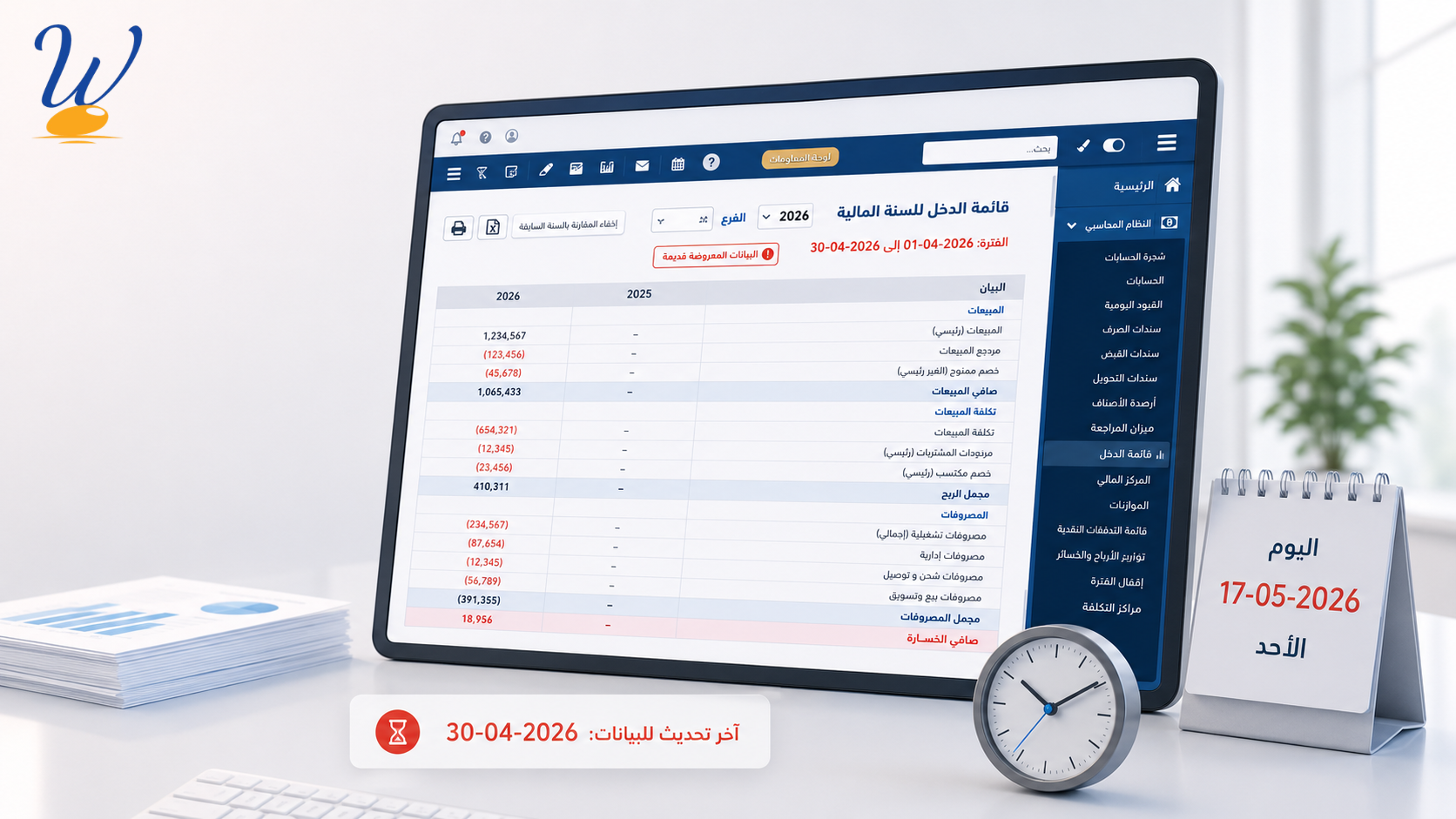
Rising sales provide a good indicator, but true profit becomes clear only after accounting for costs, cash flow, inventory, taxes, and profit margins.
At Wazen, we help business owners clearly interpret their numbers—from revenue and costs to cash flow, taxes, and profit margins—so that decisions are based on accurate data, not just impressions.
Wazen… because the numbers don’t just tell you how much you sold; they reveal how much you actually earned.